
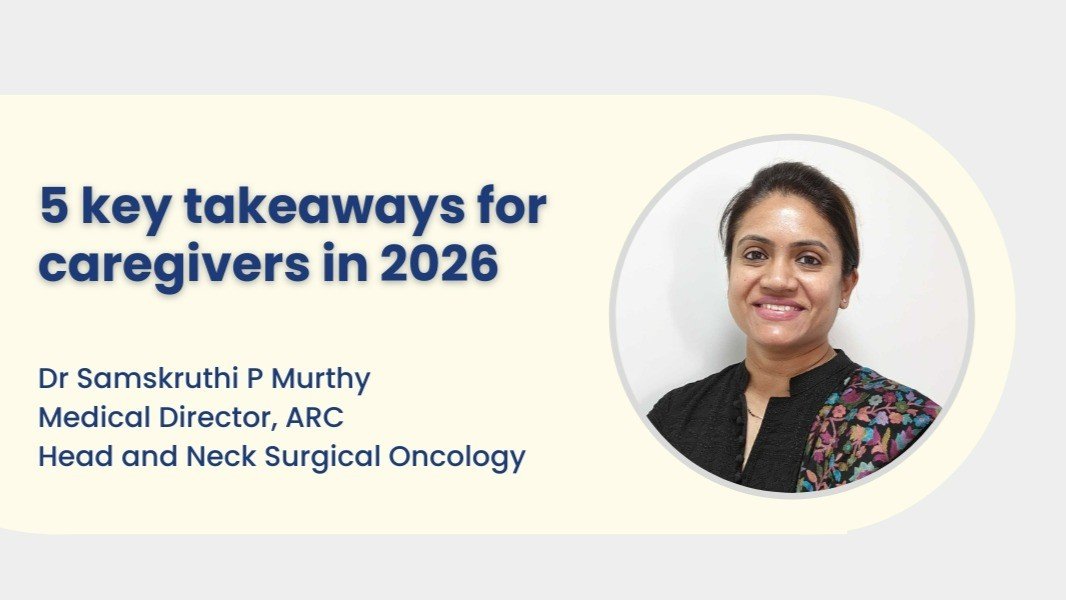
When there is a cancer diagnosis in the family, the role of a caregiver becomes central almost overnight. While medical treatment follows a structured pathway, caregiving is far less defined. Over the years, I have seen certain principles consistently help families navigate this phase with greater clarity and balance.
Transparency Builds Trust
When there is a cancer diagnosis in the family, open communication becomes essential. I strongly believe that transparency between the patient, caregiver, and treating doctor makes care more effective. Being honest about comfort levels with treatment, medications, alternative therapies, travel plans, personal commitments, or even the intent to seek a second opinion allows the doctor to guide better. Transparency removes assumptions, builds trust, and simplifies decision-making.
Life Continues Beyond the Diagnosis
A diagnosis can feel overwhelming, but it does not replace life itself. Daily routines, responsibilities, and personal identity continue to matter. Caregivers often feel the need to pause everything else, but maintaining normalcy is important. Understanding the treatment plan, timeline, and expectations helps caregivers organise their lives without remaining in constant uncertainty.
Patience Is a Daily Requirement
Illness often brings changes in behaviour and emotions—for both the patient and the caregiver. These changes can feel unfamiliar and difficult. Added to this is the influx of advice from many sources, often based on personal experiences. Patience allows caregivers to listen, process, and filter information while remaining confident in the decisions they make.
Financial Challenges Are Multifaceted
Financial stress is not only about affordability. Insurance approvals take time, reimbursements may be partial, and transaction limits can create unexpected hurdles. These are common challenges in healthcare and should be discussed openly with hospital teams. Addressing them early helps prevent avoidable stress later.
Caregiving Involves More Than the Patient
A significant portion of caregiving involves coordination, documentation, communication, and planning. Alongside this is the need for self-awareness and self-control. Caregivers must recognise emotional limits and accept that there are boundaries to what they can manage. Caring for oneself is essential to sustain care for another.
Caregiving is not about doing everything. It is about doing what is necessary, thoughtfully and sustainably. When approached with clarity, honesty, and balance, it becomes a role rooted in strength rather than strain.